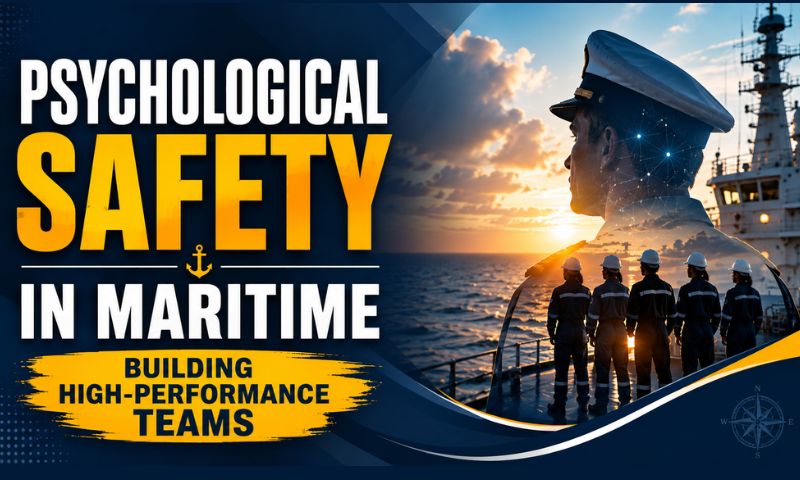
Psychological Safety in Maritime: Building High-Performance Teams Through Conscientious Leadership
 Capt. M. Sairaj
13 Aug 2026
415 view
0
2 Comment
In almost two decades of ship management, I have witnessed several shipboard incidents and been involved in investigations into many of them.
When an incident occurs, investigations naturally focus on what went wrong. Were the procedures followed? Did the equipment fail? Was there a lapse in competence? Was someone negligent? Were the appropriate controls in place?
These are important questions.
However, experience has taught me that there is often another dimension to safety that is much harder to document.
What was the environment in which people were making decisions?
- Did someone feel comfortable enough to question a decision?
- Could a junior officer challenge a senior officer?
- Could a crew member admit that they were unsure?
- Could someone report a mistake without being afraid of humiliation or punishment?
These questions bring us to an increasingly important concept in leadership and organisational performance: psychological safety.
For the maritime industry, psychological safety is particularly important because ships are complex, safety-critical working environments where people must make decisions under pressure, often with incomplete information and changing circumstances.
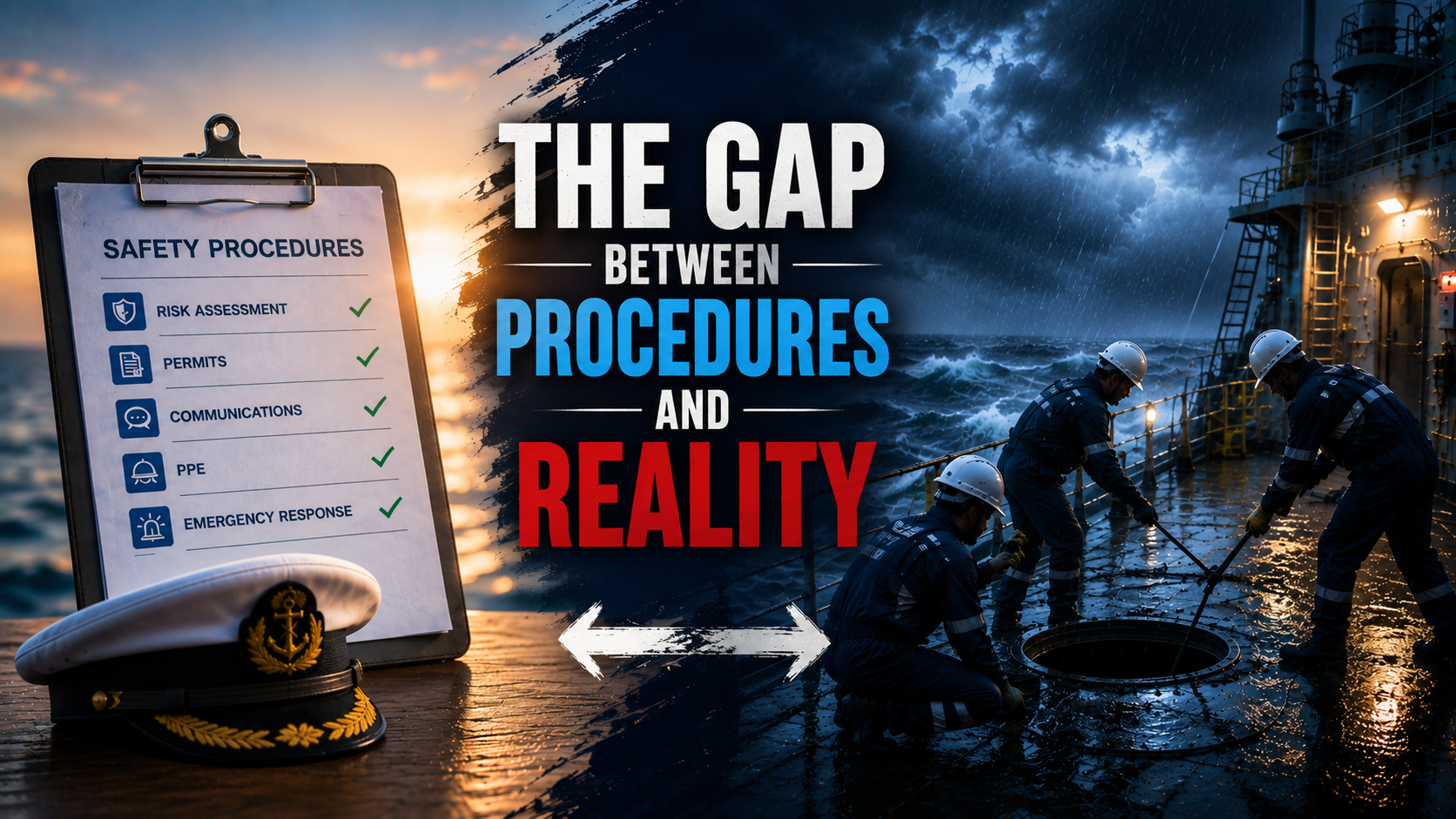
The Gap Between Procedures and Reality
Every responsible ship manager understands the importance of a robust Safety Management System (SMS).
Procedures, checklists, risk assessments, permits and safety protocols provide an essential framework for safe operations. The maritime industry has developed extensive guidance and regulations precisely because standardisation and procedural discipline are fundamental to preventing accidents.
But procedures cannot anticipate every possible situation.
The working environment on board a vessel is constantly changing. Weather conditions can shift. Equipment can behave differently from expectations. Operational pressures can increase. Crew members may have different levels of experience and competence. Communication can become more difficult because of hierarchy, workload, fatigue or cultural differences.
Even the best procedure has to be interpreted and applied by people in a real-world environment.
This is particularly evident in high-risk operations such as enclosed-space entry.
There may be a detailed procedure covering risk assessment, atmosphere testing, permits, communications, personal protective equipment and emergency response. Yet the actual conditions encountered by the crew may differ from those anticipated when the procedure was written.
This is why maritime safety cannot depend on procedures alone.
There will always be an intangible gap between what the procedure says and what the situation demands.
Conscientious leadership can help fill that gap.
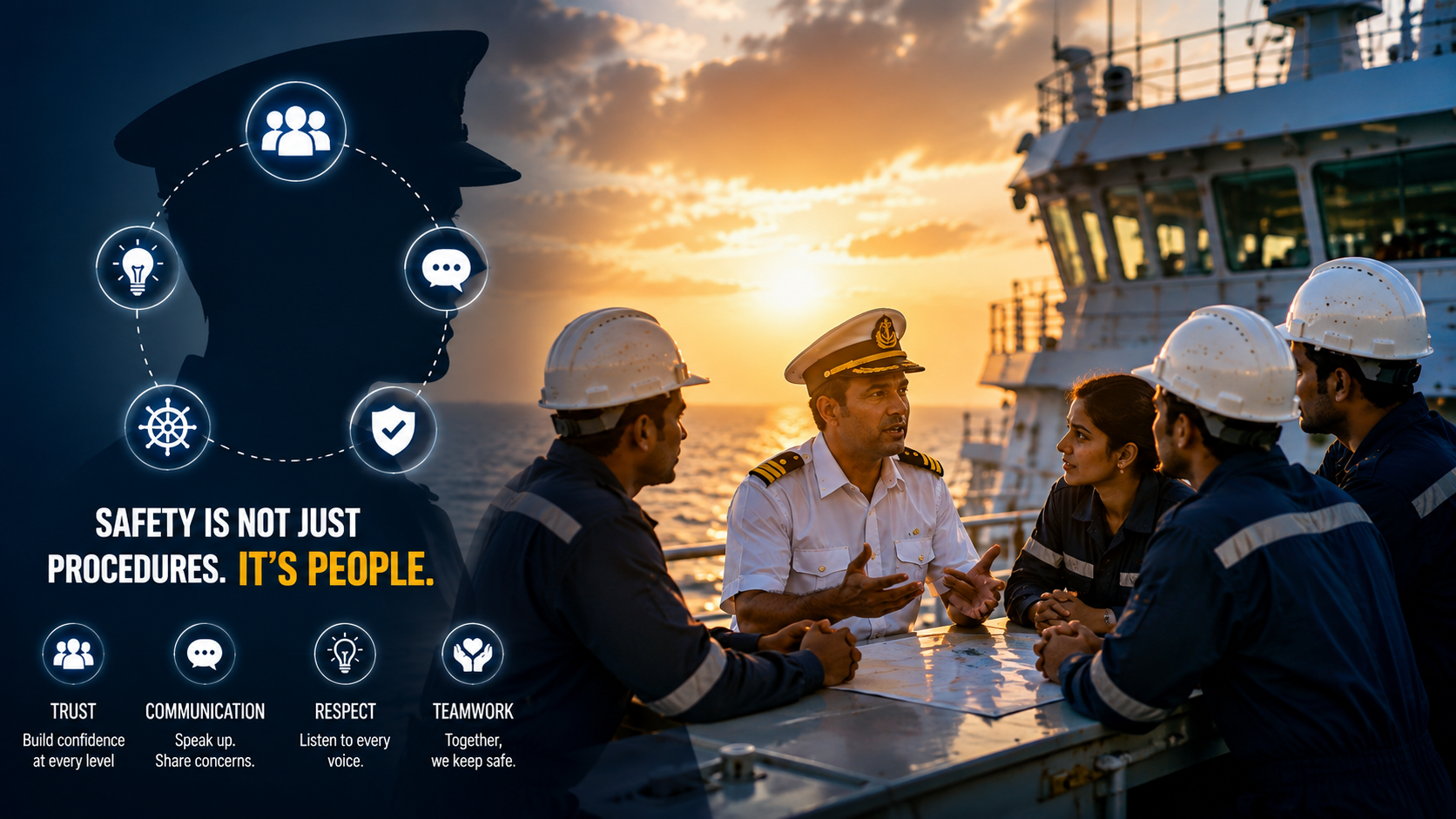
The Human Element in Shipboard Safety
Maritime safety is ultimately about people.
Equipment can fail. Procedures can contain limitations. Conditions can change. But the ability of people to recognise a developing risk, communicate it and take appropriate action can prevent an incident from escalating.
The International Safety Management (ISM) Code recognises the importance of management commitment and the competence, attitudes and motivation of individuals at all levels in achieving safety and environmental objectives.
This is where leadership becomes more than simply ensuring that procedures are followed.
A conscientious leader creates an environment where people are encouraged to think, question, communicate and take responsibility.
In my experience, I have seen vessels operate without significant safety incidents when they had senior officers who demonstrated strong leadership and created a positive team environment.
- It was not necessarily because they had better equipment.
- It was not necessarily because they had better procedures.
- It was because people felt comfortable communicating with them.
That is the foundation of psychological safety.
What Is Psychological Safety?
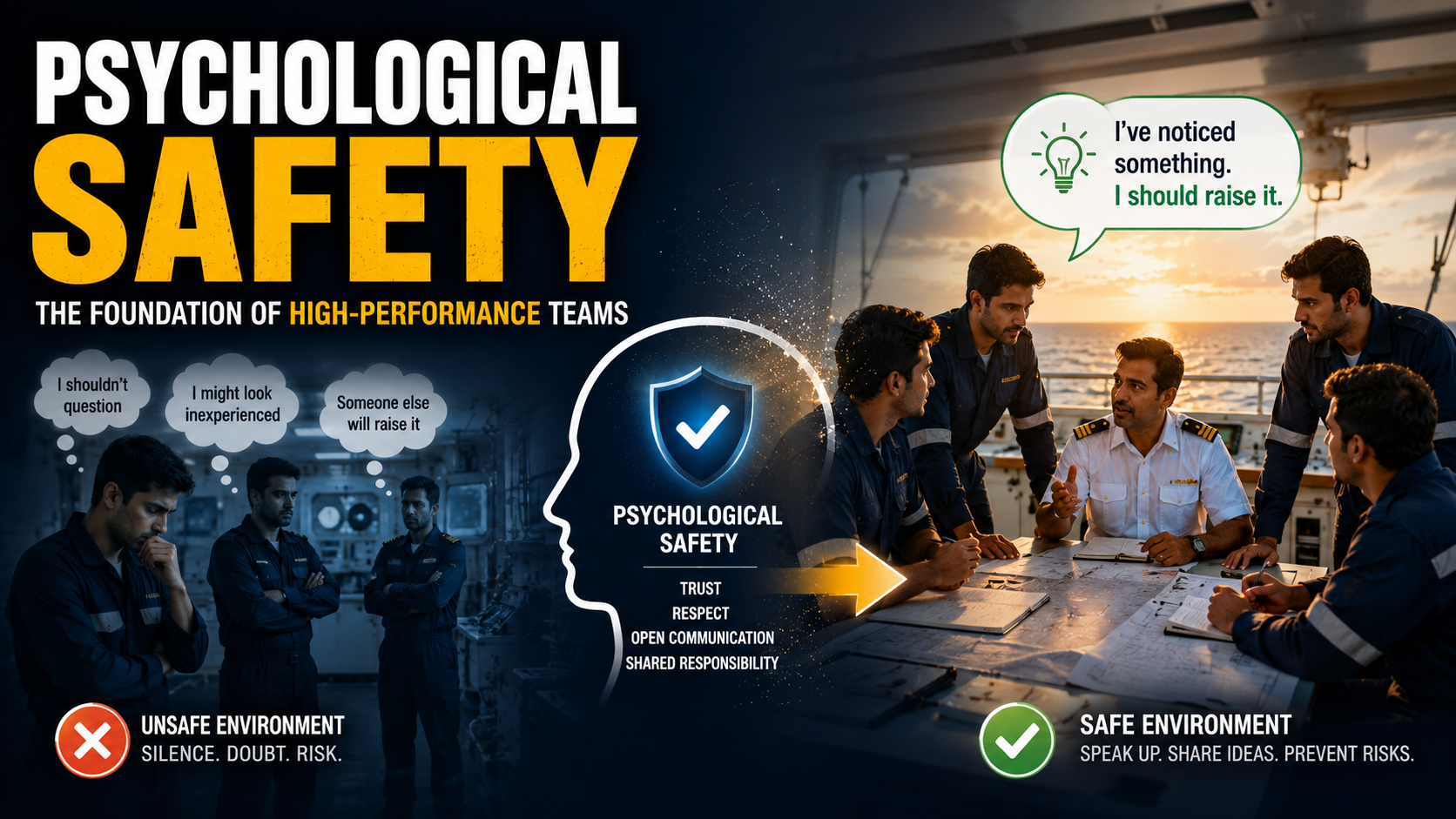
Psychological safety is the belief that people can speak up with ideas, questions, concerns or mistakes without fear of punishment, embarrassment or humiliation.
It does not mean that standards are lowered.
It does not mean that mistakes are ignored.
And it does not mean that accountability disappears.
Instead, psychological safety allows people to raise concerns early.
Imagine a junior officer noticing something unusual during an operation.
In a psychologically unsafe environment, the thought process might be:
- “The Master probably knows better.”
- “I don't want to question the Chief Officer.”
- “Someone else will raise it.”
- “I don't want to look inexperienced.”
In a psychologically safe environment, the response is different:
- “I have noticed something. I should raise it.”
That difference can be critical in a safety-sensitive operation.
Why Psychological Safety Matters for High-Performance Teams
The importance of psychological safety is not limited to the maritime industry.
Google's Project Aristotle studied more than 180 teams to understand what made teams effective. The research found that psychological safety was the most important of five key dynamics associated with effective teams.
The finding is particularly relevant to shipboard operations.
A vessel is not simply a collection of individually competent people.
It is a team.
The Master, Chief Engineer, officers, engineers, ratings and shore-based management all contribute to the safety and effectiveness of the operation.
Technical competence is essential.
Experience is essential.
But if people do not communicate openly, challenge assumptions or raise concerns, individual competence may not translate into effective team performance.
High-performance teams are built not only on what people know, but also on whether they feel safe enough to share what they know.
Conscientious Leadership: Building the Invisible Bridge of Trust
Psychological safety does not happen automatically. It is built through everyday leadership behaviour.
Conscientious leaders understand that their role is not simply to give instructions. Their responsibility is also to create the conditions in which people can perform at their best.
I like to think of psychological safety as an invisible bridge of trust.
When a team member is at the edge of their experience or facing an unfamiliar situation, trust allows them to step forward.
- They ask a question.
- They raise a concern.
- They challenge an assumption.
- They admit an error.
- They seek help.
- They stop an unsafe operation.
- The bridge may be invisible, but its impact is very real.
Five Ways Maritime Leaders Can Build Psychological Safety
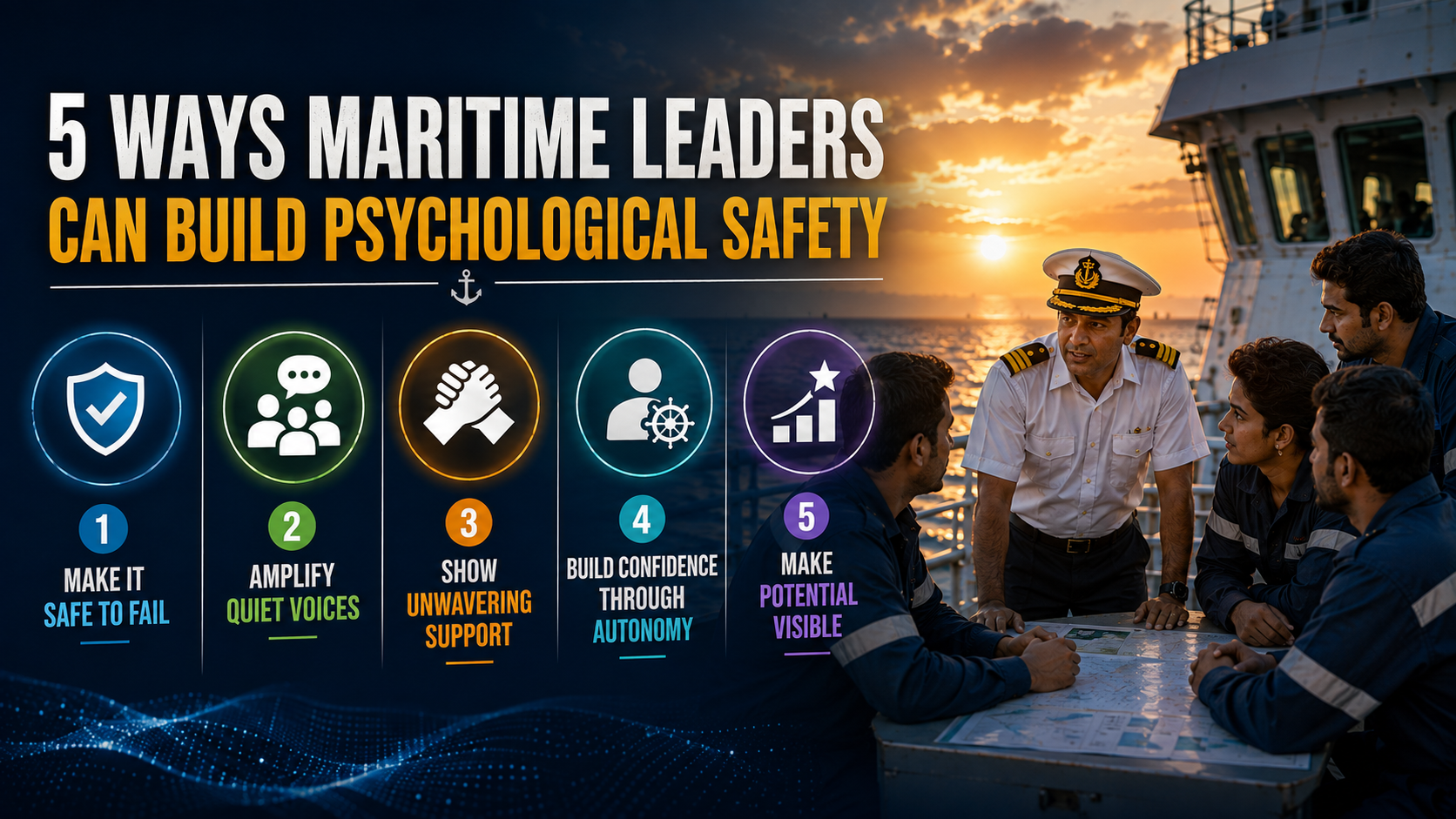
Shore-based managers and senior officers can deliberately develop this environment through five simple leadership behaviours.
1. Make It Safe to Fail
People will inevitably make mistakes.
The important question is whether those mistakes become opportunities for learning or reasons for people to hide information.
Leaders can make failure safer by:
- Celebrating courageous attempts, not only successful outcomes
- Sharing their own mistakes and lessons
- Asking "What did we learn?" rather than immediately asking “What went wrong?”
- Treating near misses as learning opportunities
- Separating learning from unnecessary blame
When leaders openly acknowledge their own mistakes, they demonstrate that admitting an error is not a sign of weakness.
It is a part of learning.
2. Amplify Quiet Voices
Not everyone is comfortable speaking in front of senior colleagues.
Rank, experience, personality, language and cultural differences can all influence how people participate in discussions.
A good leader actively creates space for different voices.
This can mean:
- Asking quieter team members for their views
- Giving junior officers an opportunity to contribute
- Giving credit to the original source of an idea
- Encouraging respectful disagreement
- Taking suggestions seriously, regardless of rank
Sometimes the person with the most important safety observation is not the person speaking the most.
3. Show Unwavering Support
Leadership is tested most strongly when things become difficult.
A conscientious leader can challenge performance without humiliating the individual.
A useful leadership principle is:
Challenge privately. Protect publicly.
This does not mean ignoring poor performance or unsafe behaviour.
It means dealing with problems constructively while maintaining the dignity of the person involved.
When people know that their leader will stand beside them during difficult situations, trust becomes stronger.
4. Build Confidence Through Autonomy
Micromanagement can unintentionally communicate a lack of trust.
Competent professionals need clear objectives and boundaries, but they also need room to exercise judgement.
Leaders can build confidence by:
- Giving people clarity on what needs to be achieved
- Allowing them flexibility in how they achieve it
- Delegating meaningful responsibilities
- Encouraging independent problem-solving
- Avoiding unnecessary interference
Autonomy creates ownership.
Ownership creates confidence.
And confident people are more likely to speak up.
5. Make Potential Visible
Good leaders do not only identify weaknesses.
They recognise potential.
A senior officer may see capabilities in a junior team member that the individual has not yet recognised themselves.
Leaders can make potential visible by:
- Highlighting individual strengths
- Providing specific and meaningful positive feedback
- Creating opportunities for people to take responsibility
- Encouraging continuous development
- Giving team members opportunities to grow
When people believe that their contribution is valued, they are more likely to participate actively in the team.
Psychological Safety Should Become Part of Safety Meetings
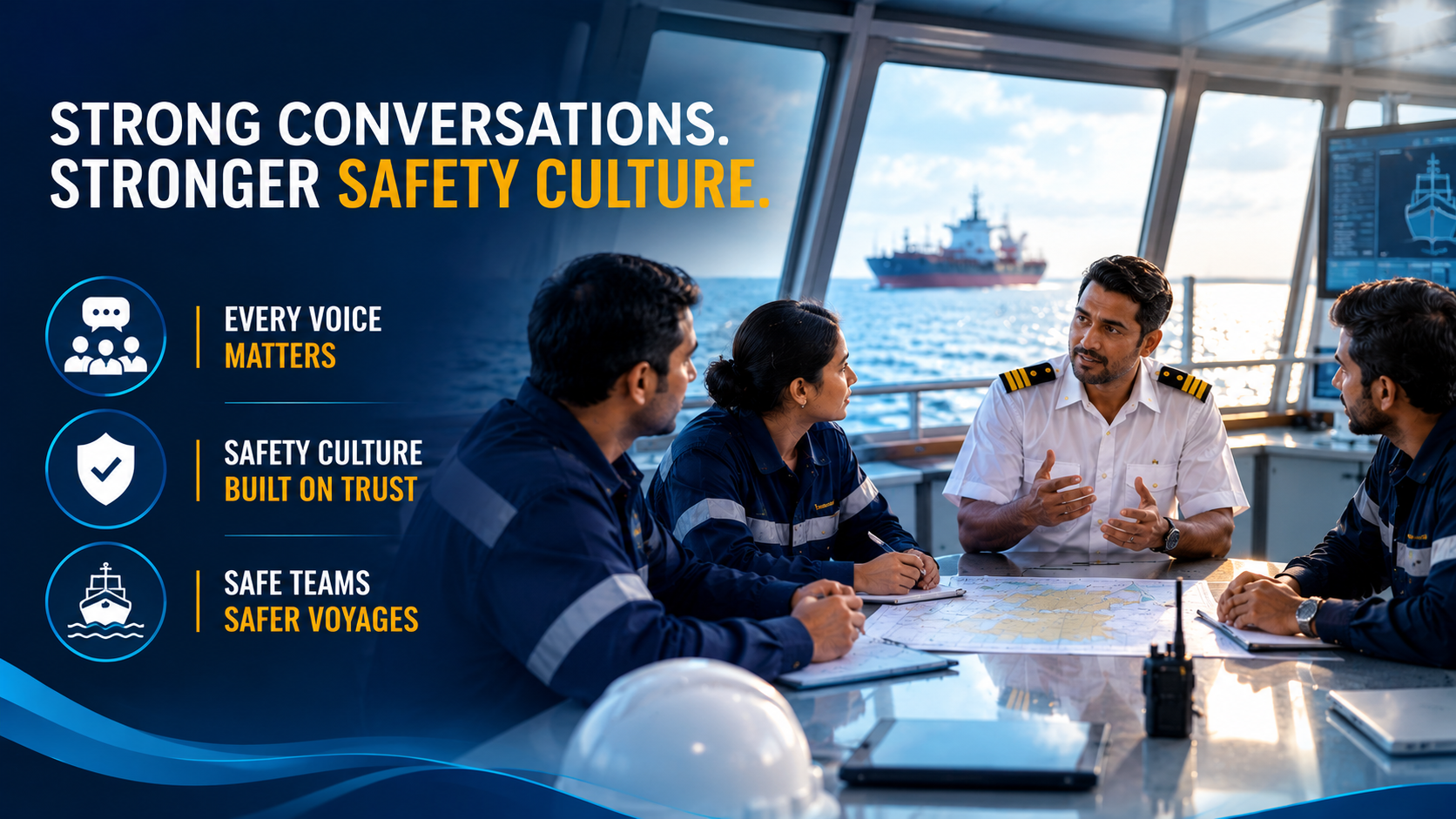
Safety meetings and briefings are often focused on procedures, hazards, risk assessments and operational controls.
These remain essential.
But safety conversations should also examine how the team is communicating.
Leaders can introduce questions such as:
- Did everyone have an opportunity to speak?
- Did anyone have a concern but hesitate to raise it?
- Were different opinions genuinely heard?
- Did rank or hierarchy prevent someone from speaking?
- Were assumptions challenged?
- How did we respond when someone made a mistake?
- Could anyone have stopped the operation if they believed it was unsafe?
These questions help transform safety meetings from a procedural exercise into a conversation about safety culture.
From Safety Compliance to Safety Culture
There is an important difference between having a safety management system and having a strong safety culture.
A Safety Management System tells people what should be done.
A strong safety culture influences how people behave when circumstances do not go according to plan.
The strongest organisations need both.
Procedures provide structure.
Training provides competence.
Equipment provides protection.
Leadership creates trust.
Psychological safety gives people the confidence to use their judgement and speak when something does not seem right.
This is why psychological safety should not be viewed as a soft leadership concept.
In a safety-critical industry, it is a practical part of risk management.
Conclusion: The Most Important Safety Barrier May Be a Voice
Maritime safety will always depend on strong procedures, reliable equipment, competent people and effective management systems.
But no procedure can anticipate every possible situation.
No piece of equipment can eliminate every risk.
And no leader can personally see everything happening around them.
That is why leaders need to create teams in which people are willing to speak.
A junior officer should feel comfortable saying:
“I have a concern.”
A crew member should feel comfortable saying:
“I don't understand.”
An engineer should feel comfortable saying:
“Something doesn't look right.”
And every member of the team should feel that they can say:
“We should stop.”
without fear of humiliation or retaliation.
That is psychological safety.
For maritime organisations, building psychological safety is not about replacing procedures with trust. It is about strengthening procedures with trust.
Because when conscientious leaders create an environment where people feel respected, heard and supported, teams become more willing to communicate, challenge assumptions, learn from mistakes and take ownership of safety.
The best safety culture is not one where nobody makes mistakes. It is one where people feel safe enough to speak up before a mistake becomes an incident.
And sometimes, the most important safety barrier on a vessel is not a checklist, a piece of equipment or a procedure.
It is a person who feels safe enough to speak.


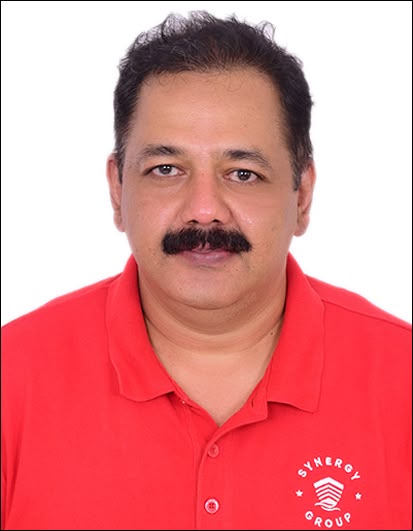
Capt. M. Sairaj
Master Mariner with extensive experience in ship management and maritime operations. He began his seafaring career with Univan Ship Management, where he served from 1993 to 2007. Since 2008, he has been associated with the Synergy Group, taking on leadership roles across Crewing, QHSE, and Ship Operations, while also establishing and leading Synergy's ship management company in Pune.
He holds a Postgraduate Diploma in Maritime Law and is an Associate Certified Coach, reflecting his commitment to professional excellence and continuous learning. Outside his professional life, Capt. Sairaj enjoys yoga and reading.
Leave a comment
View more
Give your career a boost with S&B professional services.
CV Prep/Evaluation Prep Service
 SeaCommerce
Shop maritime books & essentials
DG Medical Examiners
Find approved doctors near you
Tools & Calculators
Free maritime tools for seafarers
More Jobs
Marine tech
Mumbai
Project Engineer – Marine ..
Marine tech
Mumbai
Project Engineer – Mechani..
Ship management
Mumbai
Vessel Performance Analyst..
Interview Prep/Mentoring
Find your polestar with the host of experts available on our platform
Know more

Contact Us