
Careers in Shipping Finance

 Vinay Naidu
25 Sep 2025
3109 view
11
4 Comment
The Maritime Industry at a Glance
“Every time you sip your coffee, remember those beans have travelled across the world to give you that rich & refreshing experience. Whether it’s the clothes in your wardrobe, the smartphone in your hand, the car you drive or the fuel you fill, all of these are made possible by ships silently connecting global trade to our daily life.”
The shipping and maritime industry is the backbone of global commerce with nearly 90% of international trade transported by sea. This ecosystem comprises of shipowners, operators, managers, brokers, insurers, financiers, agents, and regulators, all working together to ensure efficient global trade flows.
At the epicentre of this global trade lies “Shipping Finance”, a specialized discipline that combines financial expertise with maritime knowledge. Finance professionals in this industry support every vertical, from capital raising and asset valuation to budgeting, revenue management, risk management and compliance.

What is Shipping Finance?
Shipping finance is the money side of the shipping world. Ships are extremely capital intensive assets, costing millions of dollars. Since very few shipowners can pay this upfront, finance is essential to acquire vessels, expand fleets and keep them operating profitably. It also provides working capital to cover day-to-day expenses like fuel, crew wages, insurance, and port charges, all of which must be paid well before freight revenue is received.

A Day in a life of a Shipping Finance Professional
A typical day for a shipping finance professional is seldom routine, right from reviewing vessel finances to structuring complex deals, it is a mix of strategy and action. Global calls with banks, shipowners and charterers keep things unpredictable. Unlike traditional finance, shipping brings scale, high stakes, rapid shifts, volatility and excitement that keeps every day thrilling, no two days are ever the same. The blend of global markets, high-value assets and fast-moving trade makes it a career that is as intellectually demanding as it is exciting.
Career Roadmap in Shipping Finance

Academic Pathway
To enter shipping finance, candidates typically pursue qualifications such as:
Graduation: Finance, Economics, Accounting, Maritime Studies, Business Administration.
Postgraduate & Professional Studies: CA, CFA, MBA in Finance or Shipping & Logistics, MSc in Maritime Economics, Shipping Finance, ACCA, CPA.
Specialised Certifications: Institute of Chartered Shipbrokers (ICS), Courses in international Trade, Derivatives, Capital Markets, Hedging and Risk management.
Core Skills Needed

Entry Level (0–5 years) - Here the focus is on setting foundations, learning & adaptability
- Financial analysis & Excel modelling
- Understanding shipping markets and vessel economics
- Accounting fundamentals & cost tracking
- Attention to detail in contracts and documentation
Mid-Level (5–10 years) - Here the focus is on specialization & independent decision-making
- Budgeting, forecasting & cash flow management
- Structuring loan/lease arrangements and credit analysis
- Exposure to risk management (freight, fuel, interest rates)
- Regulatory and compliance knowledge & negotiation skills.

Upper Mid-Level (10–15 years) – Here the focus is on leadership, projects & strategic exposure.
- Leading financial planning & cross- border transactions
- Treasury and working capital optimization
- Mentoring junior staff, managing small teams
- Strategic problem-solving & market foresight
Senior Level (15+ years)– Here the focus is on strategic leadership & industry positioning.
- Designing financing strategies for fleet expansion/M&A
- Strong stakeholder management (owners, investors, banks)
- Advanced risk management (currency, freight, credit)
- Policy shaping & industry representation & Driving technology adoption (fintech, digital shipping finance tools)
Executive Leadership (CFO / CEO / Director Finance / Board Level) – Here the focus is vision, governance, global influence, strategic leadership, Risk Management, Investor relations etc.
- Setting financial strategy aligned with corporate vision
- Capital raising at scale (public markets, private equity, global banking syndicates)
- Governance, ethics & sustainability (ESG in shipping finance)
- Global networking, thought leadership, Crisis management & long-term resilience planning

Typical Career Roadmap
Entry-Level (0–5 years) - Roles: Finance Analyst, Risk Analyst, Junior Accountant, Treasury Assistant.
Mid-Level (5–10 years) - Roles: Finance Manager, FP&A Manager, Project Finance Associate, Credit/Investment Manager.
Upper Mid-Level(10–15 years) - Roles: Senior Finance Manager, Regional Finance Controller, Treasury/Risk Head, Senior Leasing Manager.
Senior-Level (15+ years) - Roles: Head of Shipping Finance, Global Treasurer, CFO-track positions.
Executive Leadership(20+ years) - Roles: CFO, CEO, Finance Director and other Board level roles.
Key Verticals in the Shipping & Maritime Industry
Understanding the industry with a broader perspective helps in identifying not only career entry points into shipping finance, but also the potential pathways for progression and long-term goals.
Each vertical offers opportunities to begin at the assistant or analyst level, grow through mid and senior finance roles and ultimately advance to Executive leadership positions.
Shipowners
Own and operate vessels, earning revenue through cargo transport or chartering while, managing financing, compliance and vessel upkeep.
Ship Management Companies
Oversee technical, operational and crew management on behalf of shipowners ensuring safe, efficient and cost-effective vessel operations.
Commercial Shipping & Chartering
Focus on securing cargo and vessel employment by negotiating contracts, setting freight rates and maximising revenue opportunities.
Shipbrokers
Act as intermediaries between shipowners and charterers, facilitating deals, negotiating terms and earning commissions on successful contracts.
Shipping Agencies
Represent shipowners at ports, handling local documentation, port dues, cargo coordination and smooth turnaround of vessels,
Bunkering Companies
Supply fuel to ships worldwide, managing credit, pricing volatility and ensuring timely refuelling for uninterrupted operations
Liner Operations
Operate container, RORO, or PCTC services on fixed routes, focusing on pricing scheduling, trade route optimization and capacity management,
Ports & Terminals
Provide infrastructure and services for cargo handling, storage and logistics while driving efficiency and investing in large-scale projects.
Protect stakeholders against risks with marine insurance, P&I coverage and legal frameworks for claims, contracts and compliance.
Maritime Technology & Digital Solutions
Drive innovation with fintech, blockchain and digital platforms that optimize trade, payments and shipping operations.
Classification Societies & Regulatory Bodies
Set safety, quality and environmental standards for ships, certifying compliance and conducting inspections for global acceptance.
Shipbuilding & Repair Yards
Design, construct and repair vessels. Finance professionals handle project finance, cost control and long-term contracts
Offshore & Energy Shipping
Specialized in transporting oil, gas, offshore rigs and renewable energy components; involves high-value assets and complex financing.
Maritime Logistics & Supply Chain
Covers freight forwarding, warehousing and integrated logistics providers supporting end-to-end cargo movement.
Salvage & Towage Companies
Provide emergency assistance, ship rescue and towing services; involve insurance settlements and high-stakes contracts.
Naval Architecture & Marine Engineering Firms
Design ships and systems; finance roles focus on R&D funding, project financing and cost recovery models.
Ship Recycling & Green Shipping
Decommissioning and scrapping vessels responsibly; linked to sustainability finance, regulatory compliance and environmental impact.
Training & Maritime Education Institutions
Academics and universities that train seafarers and professionals; finance roles include institutional funding, grants and budgeting.
Government & International Bodies (IMO DG Shipping, WTO)
Policy-making, compliance enforcement and trade facilitation; finance professionals contribute to audits, funding programs and global initiatives.

Career Growth & Global Opportunities
Shipping is inherently global. Professionals may find themselves working in key maritime hubs like London, Singapore, Hong Kong, Dubai or Athens. Career progression often involves cross-functional exposure, moving from finance to commercial roles or even entrepreneurship in shipping consultancy, finance advisory or ship investment funds.

The Future of Shipping Finance
Shipping finance is evolving rapidly, driven by sustainability, technology and new investment models. Green finance and sustainability initiatives are gaining momentum, with decarbonization projects and ESG-linked loans shaping the next wave of maritime investment. Digitalization is transforming operations from blockchain-enabled trade to innovative maritime fintech solutions. Strategic global hubs like are emerging as key centres for shipping finance. At the same time, private equity and alternate financing models are playing an increasingly important role, creating exciting opportunities for professionals ready to nagivate this dynamic landscape.
Why Choose a Career in Shipping Finance?
A career in shipping finance is not just about numbers, it opens the door to the world of global trade, handling high-value assets that shape international commerce. You'll collaborate across time zones with diverse teams, making every day dynamic and fast-paced. Unlike conventional finance, this field is intellectually challenging, offering complex problem-solving and strategic decision-making. For those with ambition, it also provides clear pathways to leadership roles in international organizations, combining global impact with personal growth.


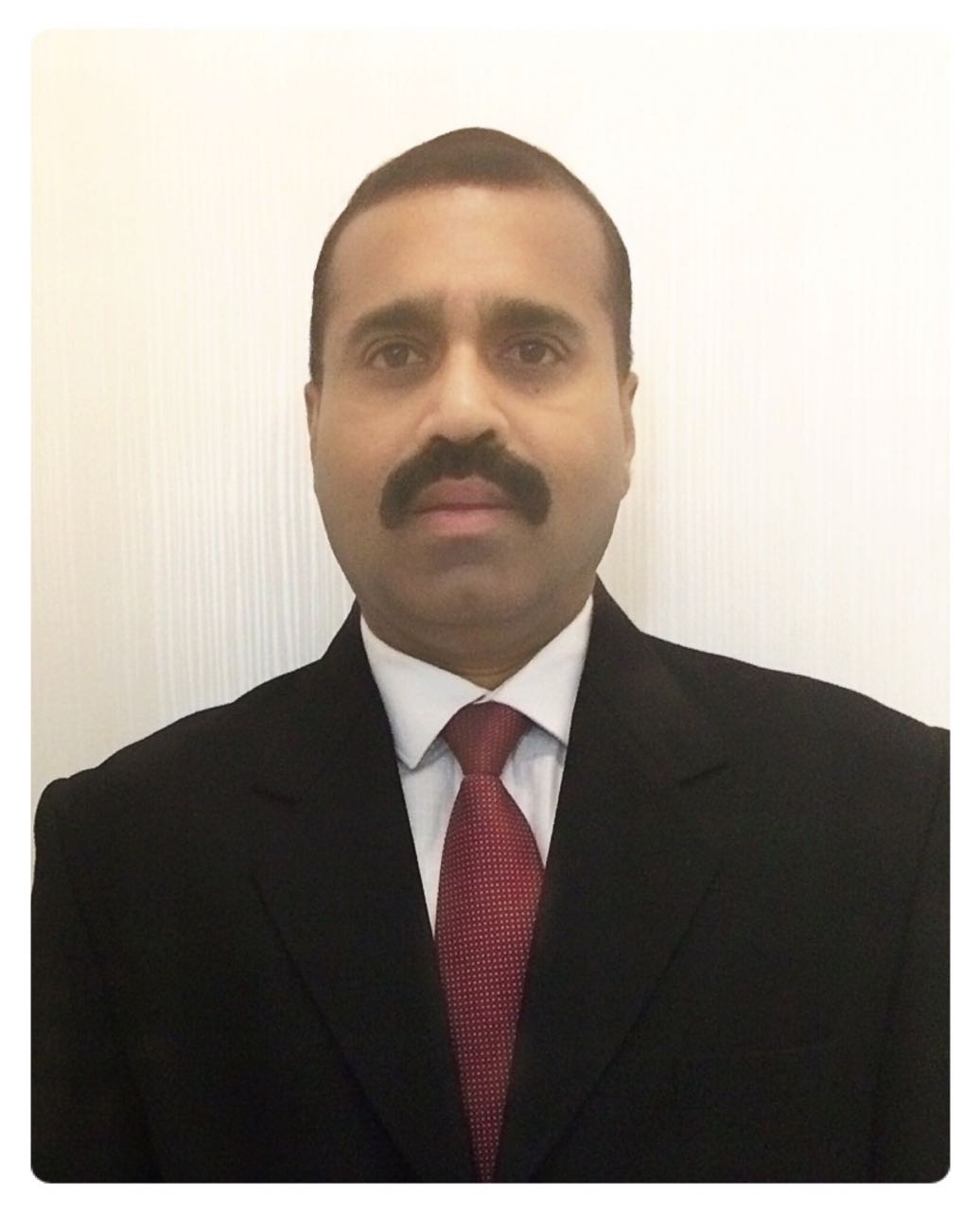
Vinay Naidu
Mr. Vinay Naidu brings about four decades of leadership experience in the maritime and shipping industry and has held leadership roles in maritime finance with renowned multinational companies. His passion for IT and technology, uniquely positions him to bridge the gap between financial world and digital transformation in maritime operation. In addition, he has served as a lead auditor for quality management systems, ensuring compliance and operational excellence. Beyond shipping, he is actively engaged in capital markets with a focus on derivatives and leverages his competence in occupational psychometric analysis to mentor and guide young adults in their career development.
Leave a comment
View more
Give your career a boost with S&B professional services.
CV Prep/Evaluation Prep Service
 SeaCommerce
Shop maritime books & essentials
DG Medical Examiners
Find approved doctors near you
Tools & Calculators
Free maritime tools for seafarers
More Jobs
Misc
Noida
Librarian | Library & Info..
Misc
Noida
Maintenance Incharge | Cam..
Agency and Logistics
Mumbai
Senior Executive – M&R | C..
Interview Prep/Mentoring
Find your polestar with the host of experts available on our platform
Know more

Contact Us